




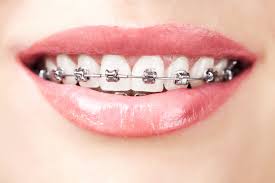
Thinking about getting braces but worried about the pain? It’s the most common question we hear at our clinic. The short answer is: Braces are not typically “painful” in the way you might imagine.
While the process of straightening your teeth involves consistent pressure, the sensation is usually better described as soreness or mild aching rather than sharp pain. Here is everything you need to know about what to expect during your dental braces treatment in Cunningham Road.
Why Do Braces Cause Discomfort?
Orthodontic treatment works by applying gentle, constant pressure to move your teeth into their ideal alignment. As your teeth, gums, and jaw shift, it is perfectly normal to feel some level of adjustment.
Common causes of mild discomfort include:
- Initial Placement: The first few days after brackets and wires are bonded to your teeth.
- Adjustment Appointments: The tightening or changing of wires and bands.
- Soft Tissue Irritation: Brackets or wires rubbing against the inside of your cheeks or lips.
- Tooth Sensitivity: Temporary sensitivity in the roots or nerves as they respond to the movement.
What Is “Normal” During Treatment?
Knowing what to expect can take the anxiety out of your orthodontic journey. Here are the four most common stages of discomfort:
1. Soreness After Initial Placement
In the first few days after getting your braces, your teeth may feel tender as they begin to react to the new pressure. This usually subsides within a week as your mouth acclimates to the appliances.
2. Mild Pain After Adjustments
Every time you visit your orthodontist near Cunningham Road for an adjustment, the pressure on your teeth is renewed. You can expect mild soreness for 1–3 days following each visit. This is actually a positive sign—it means your treatment is working!
- Quick Relief: Use ice packs, eat soft foods, and perform warm saltwater rinses to soothe the area.
3. Irritation Inside the Mouth
Your cheeks and lips aren’t used to metal brackets. Early on, you may experience minor friction or small ulcers. Over time, your mouth will “toughen up.”
- Quick Relief: Use orthodontic wax to create a smooth barrier between the brackets and your sensitive mouth tissue.
4. Jaw or Head Soreness
As your bite changes, your jaw muscles may feel tired or sore. Mild headaches can also occur in the very early stages.
- Quick Relief: Gentle jaw massages, cold compresses, and light stretching exercises can provide significant relief.
How to Manage Braces Pain: Tried-and-True Tips
You don’t have to suffer through the soreness. Use these professional tips to stay comfortable throughout your treatment:
- Over-the-Counter Relief: Medications like paracetamol or ibuprofen are generally effective. Tip: Taking a dose about an hour before your adjustment appointment can help get ahead of the soreness.
- Orthodontic Wax: Keep a supply handy. Pinch off a small piece, roll it into a ball, and press it firmly onto the irritating bracket or wire. Always remove the wax before eating.
- Saltwater Rinses: Mix a half-teaspoon of salt in a cup of warm water and swish for 30 seconds to promote healing for any minor mouth sores.
When to Contact Your Orthodontist
While discomfort is expected, sharp, persistent, or worsening pain is not.
At Quintessence Dental Clinic near Cunningham Road, we encourage our patients to reach out if something doesn’t feel right. If you have a poking wire that wax cannot cover, or if you feel pain that prevents you from sleeping or eating, please call us. It is always better to have a quick check-in than to suffer in silence.
Ready for a straighter, healthier smile?
If you are considering dental braces treatment in Cunningham Road, our team at Quintessence Dental Clinic is here to guide you every step of the way with comfort-focused care.
[Book your consultation today] and let’s discuss the right orthodontic path for you!
Disclaimer: This information is for educational purposes and does not replace professional medical advice. Always consult with your orthodontist regarding specific symptoms.


