




Anaesthesia. Best Endodontist in Vasanth Nagar Dr Gaurav Ghosh numbs the tooth and surrounding tissue thoroughly before starting. You should feel pressure but not pain during the procedure. If you feel anything sharp, say so immediately — we can add more anaesthetic.
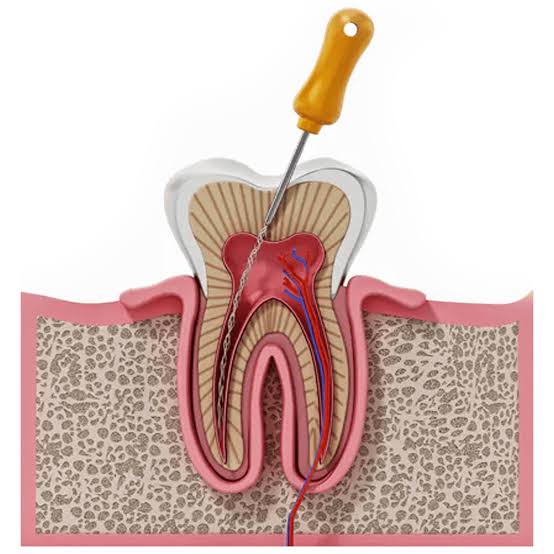
Accessing the tooth. A small opening is made in the top of the tooth to reach the pulp chamber inside.
Removing the pulp. The infected or damaged pulp tissue is carefully removed from the canals inside the tooth root. The canals are then cleaned and shaped.
Sealing the tooth. The canals are filled with a rubber-like material called gutta-percha to seal them against future infection. A temporary or permanent dental filling in Vasanth Nagar closes the access opening.
Crown. Most teeth that have had root canals need a dental crown in Vasanth Nagar afterward to protect the now-brittle tooth. This is done at a separate appointment.
Does It Hurt During the Procedure?
With proper anaesthesia, most patients feel pressure and vibration from the instruments; possibly some sensitivity if the anaesthetic hasn’t fully set; nothing sharp or stabbing. If you’re anxious about dental procedures, tell us before we start. We can take extra time to ensure you’re fully numb and explain each step as we go.
What About After?
After the anaesthesia wears off, it’s normal to have some soreness and tenderness for a few days. The tissue around the tooth has been through a procedure, and it needs time to settle. Most patients manage post-procedure discomfort with over-the-counter ibuprofen or acetaminophen. Prescription pain medication is rarely needed. For a fuller picture of what recovery looks like, see our dedicated aftercare guide.
What to expect in the days after: mild to moderate soreness when biting on the tooth; some sensitivity to pressure; gradual improvement each day.
How Do I Know If I Need a Root Canal?
Signs that a tooth may need a root canal: severe toothache in Vasanth Nagar that doesn’t go away; prolonged sensitivity to hot or cold after the trigger is removed; darkening of the tooth; swelling or tenderness in the nearby gum; a small bump on the gum near the tooth (abscess). Sometimes there are no symptoms at all — the problem is caught on an X-ray before it becomes painful. Either way, the solution is the same.
Is It Better to Just Pull the Tooth?
We understand the temptation. Pulling the tooth is faster and cheaper upfront. But removing a tooth creates its own problems — shifting teeth, bone loss, and the eventual cost of replacing it with an implant or bridge. In most cases, saving your natural tooth with a root canal is the better long-term decision. If you’re weighing whether to save or pull the tooth, we walk through that comparison in detail. Best Dentist in Vasanth Nagar Dr Gaurav Ghosh will be straightforward with you about whether a tooth is worth saving.

