
Do you feel a sharp pain in your tooth after eating sweets, chocolates, desserts, or sugary drinks? Tooth pain after eating sweets is a common dental concern, and many people immediately assume it is due to a cavity. While cavities are one of the most common reasons for sugar-related tooth pain, they are not the only cause. Tooth sensitivity, enamel erosion, gum recession, cracked teeth, or deep decay reaching the nerve can also make your teeth hurt with sugar.
If the pain is mild and disappears quickly, it may be sensitivity. But if the pain is sharp, frequent, or lingers even after you stop eating sweets, it may indicate a deeper dental issue that needs professional care. In some cases, advanced decay or infection may require root canal treatment in Shivaji Nagar to save the tooth and relieve pain.
At Quintessence Dental Clinic, Shivaji Nagar, patients with tooth pain, cavity pain, and sensitive teeth are carefully evaluated to identify the exact cause and provide the right treatment.
Why Do Teeth Hurt After Eating Sweets?
Sweet foods can trigger pain when the protective outer layer of your tooth, called enamel, is weakened or damaged. When enamel wears down or a cavity forms, the inner layer of the tooth, called dentin, becomes exposed. Dentin contains tiny channels that connect to the tooth nerve. When sugar touches these sensitive areas, it can create a sharp or uncomfortable sensation.
Tooth pain after eating sweet foods may happen due to several reasons, including cavities, tooth sensitivity, gum recession, enamel damage, cracked teeth, or infection inside the tooth. The type of pain, how long it lasts, and whether it happens with hot or cold foods can help your dentist understand the underlying problem.
Is Tooth Pain After Sweets a Sign of a Cavity?
A cavity is one of the most common causes of tooth pain after eating sweets. Cavities develop when bacteria in the mouth feed on sugar and produce acids that damage the enamel. Over time, this acid attack creates holes in the tooth surface.
In the early stage, a cavity may not cause much discomfort. But as the decay becomes deeper, you may experience pain when eating sweets, sensitivity to cold drinks, discomfort while chewing, or visible dark spots on the tooth. If the decay reaches the pulp, which is the soft inner part of the tooth containing nerves and blood vessels, the pain can become severe and may require root canal treatment.
Cavity Pain vs Tooth Sensitivity
Many patients are confused about the difference between cavity pain and sensitivity. Both conditions can cause discomfort after eating sweets, but they are not the same.
Tooth sensitivity usually causes a quick, sharp sensation that goes away within a few seconds. It may happen when you consume sweets, cold water, hot tea, or acidic foods. Sensitivity is often linked to enamel wear, gum recession, aggressive brushing, or teeth grinding.
Cavity pain may start as sensitivity but often becomes more frequent or longer-lasting. You may feel pain while chewing, notice food getting stuck in the tooth, or experience discomfort that does not go away quickly. If the cavity becomes deep, the tooth may ache even without eating.
If you are unsure whether it is cavity pain or sensitivity, a dental examination is the safest way to find the cause.

Other Reasons Why Teeth Hurt With Sugar
Sugar-related tooth pain is not always due to cavities. Other possible causes include enamel erosion, exposed tooth roots, cracked teeth, worn fillings, gum disease, or dental infection. Sometimes, a small crack in the tooth may not be visible but can cause sharp pain when sugar enters the crack or when pressure is applied while chewing.
Gum recession can also expose the root surface of the tooth. Since roots are not protected by enamel, they can become highly sensitive to sweets, cold foods, and brushing. Acidic food habits, frequent sugary snacks, improper brushing technique, and poor oral hygiene can worsen sensitivity over time.
When Tooth Pain May Need Root Canal Treatment
A root canal is needed when the pulp inside the tooth becomes infected or inflamed. This can happen due to deep decay, repeated dental procedures, cracks, trauma, or untreated cavities. Once the pulp is affected, simple fillings may not be enough to solve the problem.
You may need root canal treatment in Shivaji Nagar if you have severe tooth pain, lingering sensitivity to hot or cold foods, swelling near the gums, pain while chewing, tooth discoloration, or a small pimple-like bump on the gum near the painful tooth. These symptoms may indicate that the infection has reached the inner part of the tooth.
Ignoring these signs can allow the infection to spread, leading to an abscess, swelling, bone damage, or even tooth loss. Early treatment from an experienced endodontist in Shivaji Nagar can help preserve your natural tooth and prevent further complications.
Signs You Should Not Ignore
You should visit a dentist if tooth pain after sweets happens repeatedly or becomes stronger. Warning signs include persistent toothache, sensitivity that lasts even after removing the sweet food, pain when biting or chewing, swelling around the gums, bad taste in the mouth, tooth darkening, or a small bump on the gums.
Even if the pain comes and goes, it does not always mean the problem is minor. Dental infections can progress silently. A timely diagnosis can help avoid emergency dental treatment and protect your oral health.
Diagnosis at Quintessence Dental Clinic, Shivaji Nagar
At Quintessence Dental Clinic, Shivaji Nagar, the first step is a detailed consultation and dental examination. Your dentist will check the painful tooth, assess your symptoms, and identify whether the discomfort is due to sensitivity, cavity, crack, gum problem, or pulp infection.
Digital X-rays may be taken to examine the tooth structure, root condition, and surrounding bone. This helps determine the depth of decay and whether the tooth nerve is involved. Based on the findings, your dentist will explain the treatment options clearly and help you understand whether a filling, sensitivity treatment, crown, or root canal is required.
The goal is to treat the cause of pain, not just the symptom.
What Happens During Root Canal Treatment?
Root canal treatment is a tooth-saving procedure used to remove infection from inside the tooth. Many patients feel nervous when they hear the term root canal, but modern dental techniques have made the procedure comfortable, precise, and effective.
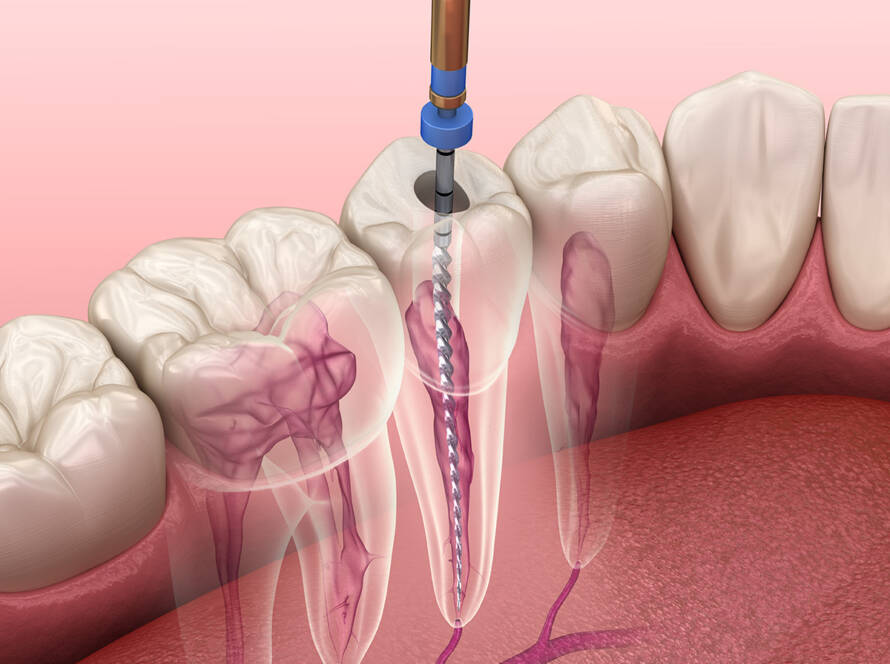
Before treatment begins, the affected area is numbed using local anaesthesia. Once you are comfortable, the dentist places a dental dam around the tooth to keep it clean and dry. A small opening is then made to access the pulp chamber.
The infected or damaged pulp is carefully removed, and the root canals are cleaned, shaped, and disinfected using fine instruments. After cleaning, the canals are filled with a biocompatible material called gutta-percha, which seals the space and prevents bacteria from entering again.
The tooth is then closed with a temporary or permanent filling. In many cases, a dental crown is recommended after root canal treatment to restore strength, function, and appearance, especially for back teeth that handle heavy chewing pressure.
Is Root Canal Treatment Painful?
Root canal treatment is commonly misunderstood as a painful procedure. In reality, the treatment is performed to remove pain caused by infection. With modern anaesthesia and advanced techniques, most patients feel comfortable during the procedure and often compare it to getting a regular filling.
After the treatment, mild soreness may be present for a few days, especially if there was infection or swelling before the procedure. This usually settles with proper care and medication as advised by the dentist.
Treatment Options for Tooth Pain After Sweets
The treatment depends on the cause of the pain. If the issue is early sensitivity, your dentist may recommend desensitising toothpaste, fluoride application, improved brushing technique, or treatment for gum recession.
If a small cavity is present, a dental filling may be enough to restore the tooth. If the cavity is deep but the pulp is not infected, a protective restoration may be advised. If the infection has reached the pulp, root canal treatment may be required.
For cracked teeth, worn fillings, or damaged crowns, restorative treatment may be needed. The earlier the problem is diagnosed, the simpler and more conservative the treatment usually is.
How to Prevent Tooth Pain After Eating Sweets
Good oral hygiene plays an important role in preventing cavities and sensitivity. Brush twice daily using a soft-bristled toothbrush and fluoride toothpaste. Floss regularly to remove food particles and plaque between teeth. Limit frequent snacking on sweets, chocolates, sugary drinks, and sticky foods.
Rinse your mouth with water after eating sweets, especially when brushing is not possible. Avoid brushing too aggressively, as it can damage enamel and gums. Regular dental check-ups help detect early cavities before they become painful.
Professional cleaning, fluoride care, and timely fillings can help prevent deep decay and reduce the need for advanced procedures like root canal treatment.
Why Choose Quintessence Dental Clinic in Shivaji Nagar?
Quintessence Dental Clinic in Shivaji Nagar provides careful diagnosis and personalised dental care for tooth pain, cavities, sensitivity, and root canal treatment. The clinic focuses on patient comfort, clear communication, and evidence-based treatment planning.
Whether your tooth pain after sweets is due to sensitivity, a cavity, or an infection, the dental team will help identify the exact reason and recommend the most suitable treatment. Early care can save your natural tooth, prevent complications, and restore your confidence while eating.
Conclusion
Tooth pain after eating sweets should not be ignored. It may be a simple case of sensitivity, but it can also be a sign of cavity, enamel damage, cracked tooth, or deep infection. If the pain is persistent, sharp, or associated with swelling or chewing discomfort, it is important to visit a dentist.
If you are looking for root canal treatment in Shivaji Nagar or need expert care for sensitive teeth and cavity pain, visit Quintessence Dental Clinic, Shivaji Nagar for a detailed dental evaluation and personalised treatment plan.