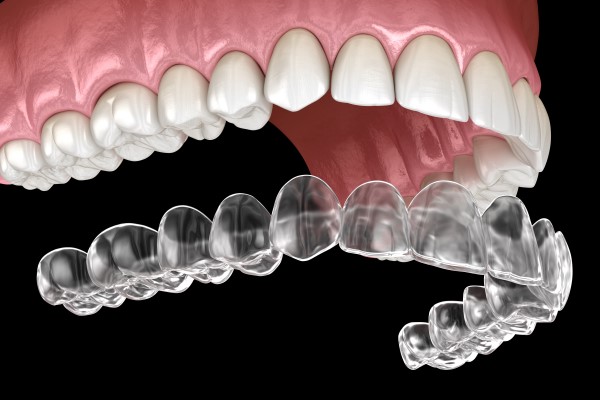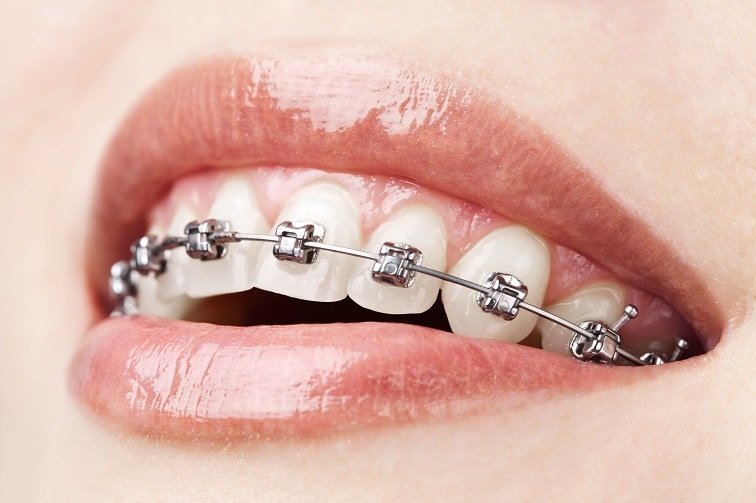

Loose teeth can be worrying, especially when it happens in adulthood. Many people assume that a loose tooth always means tooth loss, but that is not always true. In several cases, a dentist can help stabilize, treat, and save loose teeth if the condition is identified early. However, when a tooth is severely damaged or cannot be preserved, advanced replacement options such as dental implants in Shivajinagar can help restore chewing function, appearance, and confidence.
If you are noticing teeth becoming loose in Bangalore, bleeding gums, pain while chewing, gum swelling, or gaps developing between your teeth, it is important to visit a dental clinic as soon as possible. Early dental care can make a significant difference in saving natural teeth and preventing further oral health complications.
Why Do Teeth Become Loose in Adults?
Adult teeth are meant to stay firmly supported by the gums, bone, and surrounding tissues. When any of these support structures become weak or damaged, teeth may begin to move or feel loose.
One of the most common reasons for loose teeth in adults in India is gum disease. Gum disease starts with plaque and tartar buildup around the teeth. If left untreated, it can progress into periodontitis, where the gums pull away from the teeth and the supporting bone starts to deteriorate. This can make teeth unstable over time.
Other causes of loose teeth may include injury, accidental trauma, teeth grinding, untreated dental infections, bone loss, poor oral hygiene, diabetes-related gum problems, or bite-related pressure on certain teeth. Sometimes, loose teeth may not cause pain in the beginning, which is why many patients delay treatment until the condition becomes severe.
Can Loose Teeth Be Tightened in India?
Yes, in many cases, loose teeth can be treated and stabilized, especially when the problem is diagnosed early. The treatment depends on the cause and severity of the looseness. A dentist will first examine your gums, teeth, bite, and bone support using clinical evaluation and dental X-rays.
If gum disease is the main reason, professional cleaning, deep scaling, root planing, and periodontal treatment may be recommended. These treatments help remove infection-causing deposits from below the gumline and support gum healing. In some cases, antibiotics, gum therapy, or advanced periodontal procedures may also be required.
For teeth that have become loose due to injury or pressure, the dentist may use splinting. Dental splinting helps join the loose tooth to nearby stable teeth, giving it support while the surrounding tissues heal. If teeth grinding is contributing to the problem, a night guard may be suggested to reduce excessive pressure.
The earlier you seek loose teeth treatment for gum disease, the better the chances of saving your natural teeth.
When Can a Dentist Save a Loose Tooth?
A dentist may be able to save a loose tooth when there is enough bone and gum support remaining. Mild to moderate tooth mobility caused by gum infection, trauma, or bite stress can often be managed with proper treatment.
Saving the natural tooth is usually the first priority because natural teeth help maintain jawbone strength, chewing balance, and oral comfort. Your dentist may recommend a combination of cleaning, gum treatment, bite correction, splinting, and regular follow-up care.
However, if the tooth is extremely loose, infected, fractured below the gumline, or has lost major bone support, saving it may not be possible. In such cases, removing the tooth and replacing it with a strong, long-term solution may be the healthier option.
What Happens If a Loose Tooth Cannot Be Saved?
If a loose tooth cannot be saved, your dentist may discuss tooth replacement options such as dental bridges, removable dentures, or dental implants. Among these, dental implants are often considered one of the most stable and natural-looking options for replacing missing teeth.
Patients searching for dental implants in Shivajinagar often want a fixed solution that looks, feels, and functions close to a natural tooth. Dental implants can replace a single missing tooth, multiple teeth, or support full-mouth rehabilitation, depending on the patient’s oral condition.
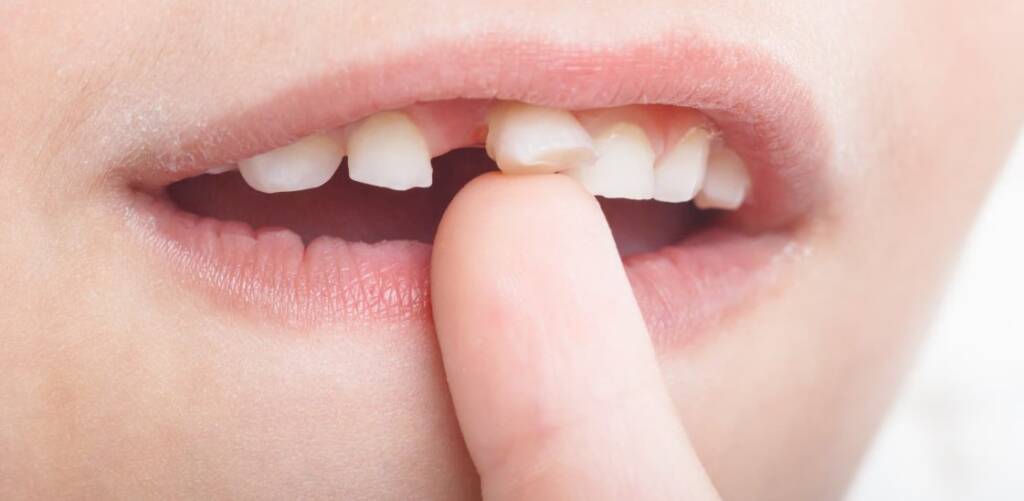
What Are Dental Implants?
Dental implants are artificial tooth roots, usually made of biocompatible titanium, that are surgically placed into the jawbone. Once the implant integrates with the bone, it acts as a stable foundation for a dental crown, bridge, or denture.
Unlike removable dentures, implants are fixed and provide strong support for chewing and speaking. They also help preserve jawbone structure by stimulating the bone in the area where the tooth is missing.
For patients who have lost teeth due to gum disease, decay, trauma, or long-term dental problems, dental implants in Shivajinagar may offer a reliable way to restore both function and aesthetics.
Benefits of Dental Implants in Shivajinagar
Dental implants offer several benefits for patients who want a long-term tooth replacement option.
Natural Appearance
Dental implants are designed to look and feel like natural teeth. The final crown is customized to match the shape, size, and shade of your surrounding teeth, helping restore your smile with a natural appearance.
Better Chewing Comfort
Because implants are anchored in the jawbone, they provide strong support while eating. Patients can chew more comfortably compared to removable dentures, which may shift or feel unstable.
Long-Term Tooth Replacement
With good oral hygiene and regular dental checkups, dental implants can last for many years. They are considered a durable solution for missing teeth when properly planned and maintained.
Jawbone Preservation
When a tooth is missing, the jawbone in that area can gradually shrink due to lack of stimulation. Dental implants help maintain bone strength and support facial structure.
Easy Maintenance
Dental implants are cared for much like natural teeth. Brushing, flossing, professional cleaning, and routine dental visits are important to keep the implant and surrounding gums healthy.
Who Is a Good Candidate for Dental Implants?
Not every patient is immediately ready for dental implants. A detailed consultation with the best dentist in Shivajinagar or an experienced prosthodontist is important to check whether implants are suitable for your case.
Good candidates usually have healthy gums, sufficient jawbone support, and overall health that allows proper healing. If gum disease is present, it must be treated before implant placement. If bone loss has already occurred, bone grafting may be recommended to create a stronger foundation for the implant.
Patients with uncontrolled diabetes, heavy smoking habits, or certain medical conditions may require additional evaluation before treatment. Your dentist will guide you based on your oral health, medical history, and treatment goals.
Dental Implant Procedure in Shivajinagar
The dental implant procedure is planned carefully to ensure long-term stability and comfort. It usually involves multiple steps.
Initial Consultation
The process begins with a complete dental examination. Your dentist may take X-rays or 3D scans to evaluate bone density, gum health, and the position of nearby teeth. This helps create a personalised treatment plan.
Implant Placement
The implant post is placed into the jawbone under local anaesthesia. The procedure is performed with careful planning to ensure proper positioning and patient comfort.
Healing and Osseointegration
After placement, the implant needs time to fuse with the jawbone. This process is called osseointegration and may take a few months. It creates a strong base for the replacement tooth.
Abutment Placement
Once healing is complete, an abutment is attached to the implant. This connector helps support the final crown, bridge, or denture.
Final Crown, Bridge, or Denture
The final restoration is custom-made to match your bite and smile. A dental crown in Shivajinagar may be used for a single missing tooth, while a bridge or implant-supported denture may be used for multiple missing teeth.
Role of a Prosthodontist in Dental Implant Treatment
A prosthodontist specialises in restoring and replacing teeth. If you are looking for the best prosthodontist in Shivajinagar, choose a dental expert who can plan the implant restoration with proper attention to function, bite balance, aesthetics, and long-term comfort.
The success of dental implants depends not only on implant placement but also on the quality of the final crown, bridge, or denture. Proper planning helps ensure that the replacement teeth look natural and function comfortably.
How to Prevent Loose Teeth in the Future
Preventing loose teeth starts with maintaining healthy gums and strong oral hygiene habits. Brush twice daily, floss regularly, and schedule routine dental checkups. Professional cleaning helps remove tartar buildup that cannot be removed by brushing alone.
If you notice bleeding gums, bad breath, gum recession, tooth sensitivity, or slight tooth movement, do not ignore the symptoms. These may be early signs of gum disease. Treating gum problems early can help avoid tooth loss and the need for complex treatment later.
People with diabetes, smoking habits, or a history of gum disease should be especially careful because they may have a higher risk of periodontal problems.
Conclusion
Loose teeth in adults should never be ignored. In many cases, a dentist can save loose teeth with timely diagnosis and proper treatment. Gum disease therapy, splinting, bite correction, and regular follow-up care can help stabilize teeth when treated early.
However, if a tooth cannot be saved, dental implants in Shivajinagar can provide a strong, natural-looking, and long-term replacement option. Whether you need loose teeth treatment for gum disease, dental crowns, dentures, or implant-supported teeth, consulting an experienced dentist can help you choose the right solution for your oral health.
If your teeth are becoming loose in Bangalore, book a dental consultation early. The sooner the problem is treated, the better the chances of saving your natural teeth and protecting your smile.